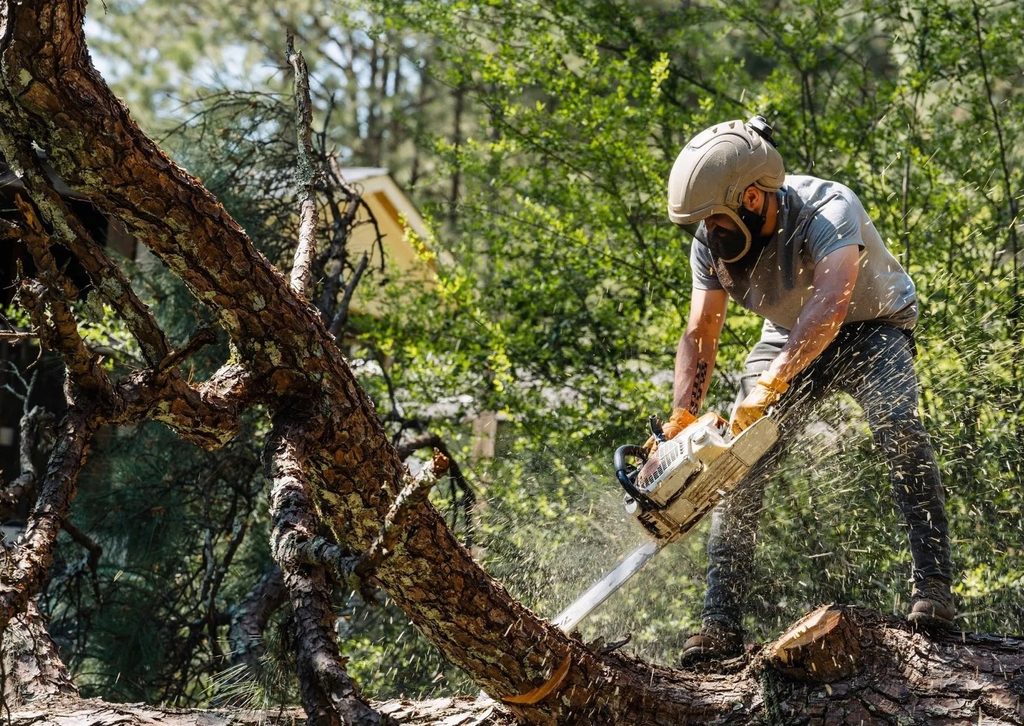
A tree removal that would take an afternoon in a backyard can take days at a shopping center, office park, or industrial property. There are customers to protect, deliveries to schedule, pavement to avoid, and utility lines that limit where a crane can go. For property managers in Riverside and the surrounding area, commercial tree services nj is as much about logistics as it is about cutting wood. The cheapest bid can become the most expensive job when the site is not planned.
The first question is why the tree must go. Hazard, disease, storm damage, construction, and space conflict are different problems, and not all require removal. A second opinion from an arborist can save a healthy tree and thousands of dollars. If removal is the right answer, the proposal should explain the method, the equipment, and the risks.
Permits and utilities come next. Some municipalities require a permit for removing certain trees, especially large or heritage specimens. Utility lines may require clearance or a temporary disconnect. The contractor should know the rules and include the cost of compliance. A removal that ignores permits is a removal that can be stopped halfway, and that is the worst possible outcome for a business.
Call the utility locate service before any digging or stump grinding. Hitting a gas, electric, or fiber line is dangerous and expensive. The locate request is free in most areas, but it takes time, so schedule it early. A contractor who dismisses the locate step is a contractor who has not thought about consequences.
What the site plan must answer
The plan should show the tree, the buildings, the parking areas, the sidewalks, the utilities, and the drop zone. It should identify where the crew will enter, where equipment will park, and how debris will leave. A crane needs a stable surface and enough reach; a bucket truck needs a clear path. If the answer is «we will figure it out,» the plan is not finished.
Traffic and pedestrians are part of the job. Will a lane close? Will a sidewalk be blocked? Who directs customers? The crew should provide cones, signs, and barriers, but the property manager has to coordinate with tenants and deliveries. A safe removal is a planned removal, and the plan includes the people who are not part of the tree crew.
The schedule should match the business. Some sites can close a section of parking for a day; others cannot lose a single space. Early morning, evenings, and weekends may cost more but protect revenue. Ask for a written schedule and a contact person. If the weather changes, the plan should include a backup date.
Noise, dust, and access are part of the neighbor experience. A chipper running at seven in the morning can generate complaints; a truck blocking a fire lane can create a safety issue. Give tenants and neighboring businesses advance notice when the work will affect parking or entrances.
A crane on a commercial site may require a permit, a road closure, or a police detail. The contractor should handle the application, but the property manager should know the schedule. A crane that arrives without the right approval can sit idle while the meter runs.
How to keep the business open
Access is the hardest constraint. A large tree may need to be removed in sections, rigged down piece by piece, rather than felled in one direction. That takes more time but protects buildings, cars, and people. Ask how the crew will handle the trunk and the heavy limbs. The method should be in the proposal, not improvised on site.
Debris management is often underestimated. A mature tree produces a surprising volume of wood, and the chips and logs have to go somewhere. Confirm who pays for disposal and whether the truck can reach the debris pile. If the site has limited space, the crew may need to chip on site or haul loads throughout the day. The cost of removal includes what leaves the property, not just what is cut.
Stumps and roots are a separate decision. Grinding the stump below grade allows pavement, planting, or mowing; leaving it creates a trip hazard and a future problem. The proposal should state the grinding depth and whether the hole will be filled and compacted. If the roots have lifted pavement, the repair is part of the project too.
Insurance and contracts protect the property. The contractor should carry general liability and workers compensation, and the certificate should be on file before work begins. The contract should define scope, schedule, price, cleanup, and responsibility for damage. A handshake is not a contract, especially when a crane is lifting a ton of wood over a parking lot.
After the removal, the site should look intentional. Fill the hole, level the ground, and consider a replacement tree with the right mature size and root behavior. The removal is a loss, but it is also a chance to correct a landscape problem that will otherwise repeat. A planned replacement is cheaper than another emergency five years from now.
Inspect the site after the last truck leaves. Fill the hole, repair pavement, and check that drainage still works. A removal that leaves a depression or a broken curb creates a new liability. The job is finished when the site is safe and clean, not when the equipment pulls away.
Ask for disposal receipts. They prove where the material went and support the invoice if ownership asks. A reputable contractor has no problem providing them. The paperwork is part of the service, not an inconvenience.
A commercial removal is a project with a beginning, a middle, and an end. The property manager who treats it that way gets fewer surprises, a safer site, and a cleaner result. The tree may be gone, but the business still has to run. The detail of the cleanup shows. A clean site is the last thing people remember when the trucks leave.