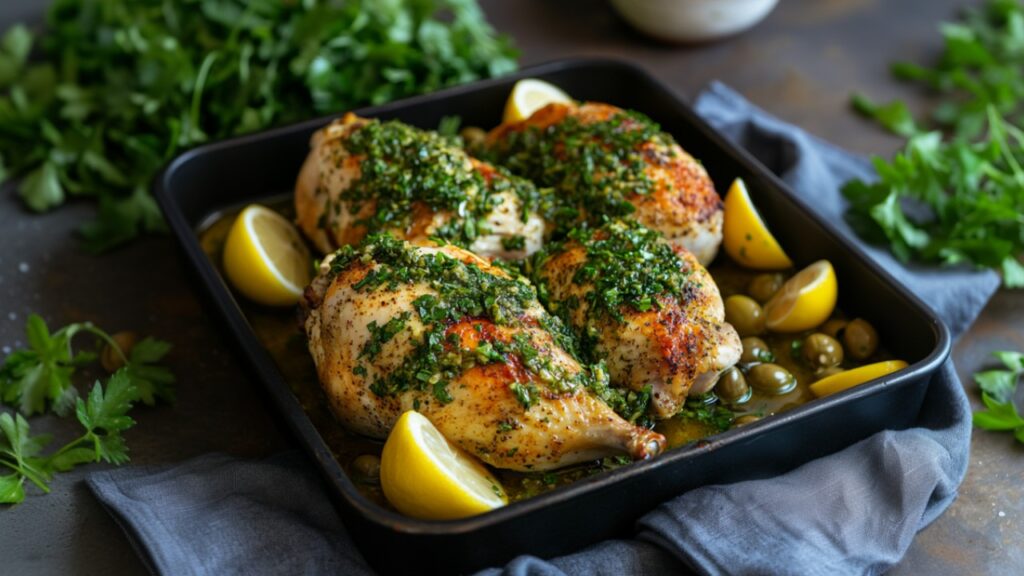
The Lemon Pepper Roast Chicken Recipe is one of those dependable classics that feels both simple and special at the same time, because it relies on a flavor pairing that just works: bright citrus and bold black pepper. When you roast a whole chicken with lemon and pepper the right way, you get crisp skin that smells incredible, tender meat that stays moist, and pan juices that practically beg to be spooned over everything on your plate. It’s the kind of meal that can look impressive for guests but still feels relaxed enough for a normal Sunday dinner, and once you learn the small technique details, you’ll be able to repeat it with confidence every time.
What makes lemon pepper roast chicken so satisfying is the contrast of flavors. Lemon brings freshness and a clean, slightly tangy lift. Pepper brings warmth and a mild bite that feels savory rather than spicy. Together, they keep roast chicken from tasting flat. But the real trick is ensuring that the seasoning reaches the meat, not just the skin, and that the skin dries out enough to turn crispy. You don’t need complicated steps, but you do need a plan for salt, fat, and heat. If you get those three right, the rest is almost automatic.
If you’ve ever looked up versions online, including collections and variations you might see on https://allrecipe.org/, you’ll notice a wide range of ingredient lists. Some use butter, some use olive oil, some add garlic, herbs, or a touch of honey. Those additions can be delicious, but the core is always the same: a properly seasoned bird roasted at a temperature that crisps the exterior while cooking the inside gently enough to stay juicy. Once you understand that core, you can personalize the rest without losing the essence of the dish.
Before you season anything, choose your chicken thoughtfully. A standard whole chicken in the 3.5 to 4.5 pound range roasts evenly and gives you the best balance between crisp skin and tender meat. Very small chickens can dry out, and very large ones can take so long that the breast risks overcooking before the thighs are fully done. If your chicken is larger, it can still work, but you’ll want to pay closer attention to internal temperature and possibly adjust your roasting approach.
Now, let’s talk about salt, because it’s the foundation. Lemon and pepper are the headline flavors, but salt is what makes the chicken taste like itself in the best way. The easiest path to great roast chicken is to salt it ahead of time. Even a few hours helps, but overnight is ideal. Salting early draws a little moisture to the surface, then that moisture gets reabsorbed, seasoning the meat throughout. The surface also dries, which is exactly what you want for crisp skin. If you’re short on time, you can still season right before roasting, but you’ll get a deeper flavor and better texture if you can plan ahead.
Once you’re ready to season, pat the chicken dry very thoroughly with paper towels. This step looks boring, but it matters. Moisture on the skin turns into steam, and steam is the enemy of crispness. Dry skin browns better, crisps faster, and gives you that golden finish people associate with great roast chicken.
For the lemon pepper profile, you’ll want both lemon zest and lemon juice, but you’ll use them differently. Lemon zest is concentrated flavor without extra water. It perfumes the skin and fat beautifully. Lemon juice is acidic and watery, and if you put too much directly on the skin too early, it can slow browning. The best approach is to use zest in the rub and use lemon juice inside the cavity or in the pan juices, where it can flavor the drippings without soaking the skin. If you love stronger lemon, you can finish the chicken with a squeeze of fresh juice right after roasting, when the skin is already crisp.
Black pepper should be freshly ground if possible. Pre-ground pepper is fine in a pinch, but fresh pepper has a sharper, more aromatic bite that makes this recipe taste cleaner and more alive. For a classic lemon pepper feel, use a generous amount, because pepper is part of the identity of this dish. To keep it balanced, combine pepper with salt, lemon zest, and your chosen fat, either softened butter or olive oil. Butter gives you the richest flavor and the best browning, while olive oil gives a slightly lighter finish and still crisps well. Many cooks like butter for special occasions and olive oil for everyday roasting, but both work.
Gently loosen the skin over the breast using your fingers, being careful not to tear it. This little pocket is where magic happens. Spread some of your lemon zest, salt, pepper, and butter or oil mixture directly onto the meat under the skin. Seasoning under the skin is the easiest way to guarantee flavorful breast meat, because the seasoning is in direct contact with the meat and the fat from the skin carries the flavor as it renders. Then rub the remaining mixture all over the outside of the chicken, including the legs and wings.
For the inside, place lemon halves in the cavity. This perfumes the chicken from within and gently flavors the steam that circulates as it roasts. You can add garlic cloves or a few herb sprigs if you like, but it’s optional. The lemon itself is enough to give that aromatic lift. If you want a slightly deeper savoriness, you can add a small onion quartered as well, but the recipe still feels true without it.
Now set up your roasting environment. A rack in a roasting pan is ideal because it lets hot air circulate, which encourages even browning. If you don’t have a rack, you can build a simple base with thick slices of onion or chunks of carrot and celery, which also adds flavor to the drippings. The chicken should sit breast side up. Trussing the legs is optional, but it can help the chicken cook more evenly by preventing the breast from drying out while the legs finish. If you don’t want to truss, at least tuck the wing tips under the body so they don’t burn.
Roast in a properly preheated oven. Many people like a two-stage roast: a higher temperature at the beginning to kickstart browning, then a slightly lower temperature to cook through gently. This approach can give you crisp skin without overcooking the breast. However, you can also roast at a consistent moderate-high heat if you prefer simplicity. What matters most is internal temperature. The breast should reach a safe, juicy point, while the thighs should be a bit higher to become tender. If you have a thermometer, use it. It’s the easiest way to avoid dry chicken. Insert it into the thickest part of the thigh without touching bone. When it’s done, the juices should run clear, and the legs should feel looser in their joints.
While the chicken roasts, the pan drippings become an underrated bonus. Lemon and pepper in the fat create a savory, fragrant base. If you want to turn it into a simple sauce, you can spoon off excess fat, then simmer the drippings with a splash of broth and a squeeze of lemon. Keep it light. You’re not making a heavy gravy here, you’re making a bright pan sauce that matches the lemon pepper theme.
When the chicken is finished, remove it from the oven and let it rest. Resting is not optional if you want juicy meat. The heat redistributes juices, and the meat becomes easier to carve cleanly. A rest of about 10 to 15 minutes makes a visible difference. During this time, you can finalize your sauce or simply spoon the drippings into a small bowl.
Carving should feel calm, not rushed. Start by removing the legs, then the thighs and drumsticks, then slice the breast against the grain. If you did the under-skin seasoning, you’ll notice that the breast tastes seasoned all the way through rather than only on the surface. Finish with a final sprinkle of fresh pepper and, if you want extra brightness, a small squeeze of lemon right before serving. That last squeeze is a great trick because it refreshes the flavors without compromising the crisp skin during roasting.
This roast chicken pairs naturally with simple sides that can absorb juices: roasted potatoes, rice, or a platter of vegetables. But it also stands on its own because the flavor is so complete. The combination of crisp skin, tender meat, and that bright peppery aroma makes it feel like a meal you can rely on, one that tastes familiar while still feeling a little elevated. Once you’ve cooked it a couple of times, you’ll stop thinking of it as a recipe and start thinking of it as a method you can repeat whenever you want roast chicken that tastes clean, bold, and deeply comforting.