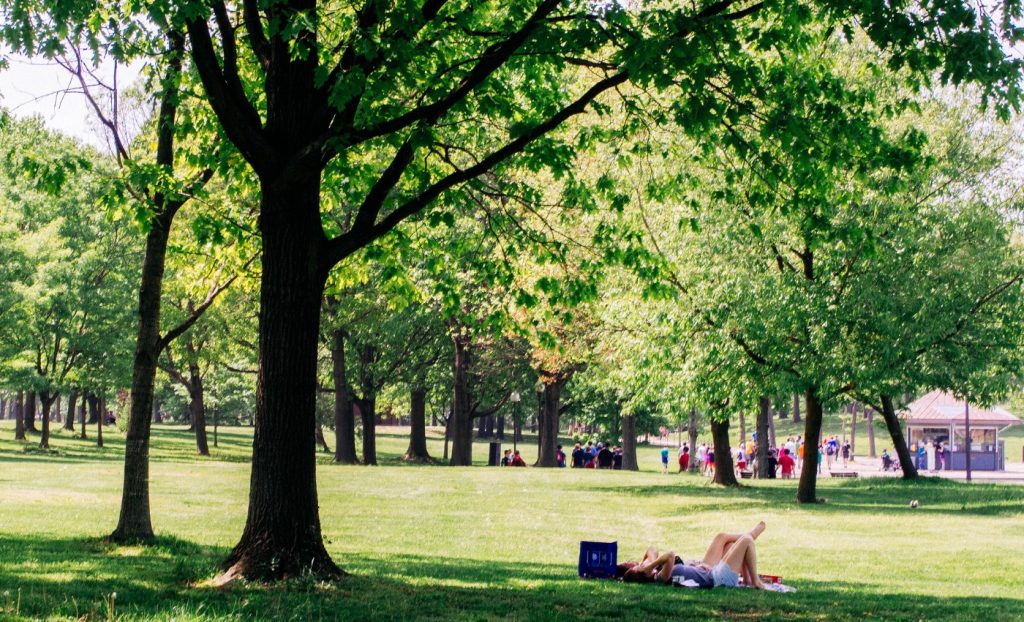
The accelerated growth of modern cities has radically transformed our daily environment and amidst all the concrete and asphalt urban trees represent much more than a simple aesthetic adornment designed to beautify the streets. These authentic marvels of nature act as the true lungs of our communities and offer an incalculable amount of benefits that directly and positively impact our daily quality of life. Society often overlooks the importance of the green infrastructure that surrounds us mistakenly assuming that trees grow strengthen and maintain themselves on their own without requiring any type of human intervention or help. However the reality on the ground is completely different since the urban environment is a highly hostile and unforgiving medium for the natural and healthy development of almost any plant species. Constant water stress extremely high atmospheric pollution chronic lack of space for root expansion and mechanical damage caused by vehicles and constructions are just a few of the tremendous challenges that trees face on our commercial and residential sidewalks. For this reason it is fundamental for inhabitants to understand that a thriving lush and safe urban forest is not the product of the randomness of nature but the direct result of careful meticulous planning and an unwavering commitment to its constant preservation and maintenance throughout the decades.
For this invaluable green infrastructure to not only survive but truly prosper in such an artificial environment it is absolutely essential to have specialized knowledge that guarantees the vitality and safety of each specimen from the very moment of its planting to its stage of full maturity. The practice of improper pruning done by inexperienced hands or the lack of a timely and accurate diagnosis of fungal diseases and pests can quickly turn a majestic and centuries old tree into an imminent and fatal risk for the public safety of pedestrians and the integrity of the surrounding private property. It is exactly at this critical point where timely professional intervention makes an abysmal difference and having the backing of tree care experts Riverside NJ becomes an absolute necessity to ensure that all silvicultural interventions effectively promote the long term structural health of the different arboreal species. The metropolises and small towns that invest intelligently and proactively in the preventive and corrective care of their trees experience dramatically fewer emergencies and disasters during severe winter storms and significantly extend the useful life of their community green spaces. A well cared for maintained and monitored tree is not only much safer for everyone around it but it also exponentially maximizes all the environmental social and economic benefits that justify its essential existence in the harsh and demanding contemporary urban landscape.
One of the most critical and fascinating contributions of trees in densely populated areas is their extraordinary capacity to mitigate the urban heat island effect that so heavily overwhelms people during high temperature heat waves. This worrying local meteorological phenomenon occurs when endless dark paved surfaces and concrete buildings absorb retain and radiate the heat from the sun drastically raising local temperatures in direct comparison to surrounding rural and forested areas. Through a complex biological and physical process known scientifically as evapotranspiration trees extract water from the soil and release cool water vapor into the surrounding atmosphere acting in practice as gigantic natural air conditioners that actively cool the immediate environment. In addition the broad and leafy canopy provides a dense protective and constant shade that prevents the relentless solar rays from directly heating the street pavement and the facades of residential and commercial buildings. This efficient natural thermal regulation not only makes walking on public roads a much more pleasant and safe experience during the scorching and dangerous summer months but it also considerably and measurably reduces the extremely high demand for electrical energy by drastically decreasing the need to use expensive artificial cooling systems in homes and offices near the trees.
In a parallel and complementary manner the profound impact that these living beings have on improving the quality of the air we breathe daily is truly astonishing and invaluable for the maintenance of community public health. The internal combustion engines of millions of vehicles the incessant industrial activities and the constant suspended dust generate frankly alarming amounts of invisible atmospheric pollutants that silently but lethally affect our respiratory tracts and cardiovascular system. In this adverse scenario tree leaves act as sophisticated highly efficient biological filters by physically trapping microscopic heavy metal particles on their rough surfaces and absorbing toxic gases through their stomata during the process of photosynthesis and respiration. Harmful and dangerous chemical elements such as lethal nitrogen dioxide carbon monoxide and sulfur dioxide are processed and transformed internally by the tree while in exchange and completely free of charge the tree releases large amounts of pure oxygen into the environment. This constant and silent exchange incessantly purifies the air effectively preventing the development of chronic respiratory diseases and cardiovascular ailments in the vulnerable urban population. It is truly fascinating and revealing to think that a profusely wooded street can register significantly lower air pollution levels than a sterile street devoid of vegetation located just a few blocks away in the exact same neighborhood.
Psychological benefits of natural environments
Far beyond the obvious and undeniable purely physical and tangible environmental advantages there is a profound and immense impact on the mental emotional and spiritual well being of individuals who have the privilege of residing in areas rich in urban nature. Numerous and rigorous academic studies conducted in the emerging field of environmental psychology have conclusively shown that simple and passive regular visual exposure to wooded environments drastically reduces cortisol levels in the bloodstream which is the main hormone responsible for chronic stress in humans. The simple act of walking relaxedly through a well maintained local park or even just watching the tree canopy sway with the wind from the window of a small apartment has a powerfully calming and restorative effect on our overstimulated central nervous system. This biological and inherent connection that we instinctively feel with the natural world effectively helps us recover our depleted capacity for attention and concentration alleviating the heavy mental fatigue generated by the frantic noisy and demanding pace of modern city life. Communities that have the fortune of having abundant accessible and safe green spaces consistently report lower statistical rates of anxiety depression and aggressiveness among their inhabitants which irrefutably demonstrates that planned urban forestry is a powerful first order public health tool.
Likewise these vital urban green spaces act very effectively as potent social catalysts that organically foster community cohesion and strengthen the necessary neighborly bonds between people who would otherwise live isolated. An adequately shaded clean and well cared for park naturally and persuasively invites people to leave their closed homes to interact face to face with other members of the community and actively participate in various outdoor recreational and sporting activities. These precious community meeting places are absolutely fundamental to building a deep rooted sense of belonging local identity and civic pride since they provide a neutral and welcoming common ground where individuals of different ages professions and cultural backgrounds peacefully converge. When the diverse members of a neighborhood voluntarily come together around a common goal such as protecting a historic tree or planting new specimens on their street a much more resilient supportive and empathetic social fabric is immediately generated. The mere presence of abundant living nature in the city quickly transforms empty gray and depressing public spaces into vibrant places full of life energy and constant movement where children can play freely exploring their surroundings and adults can socialize relax and forge friendships in a healthy relaxed and deeply safe environment.
Analyzing the situation from a strictly financial and investment perspective it is totally undeniable that the constant presence of mature leafy and healthy trees substantially and demonstrably increases the economic value of all residential and commercial real estate properties. Houses and apartments that are strategically located on streets beautifully lined with leafy and well cared for trees tend to sell on the market at notably higher prices and in a much shorter period of time in direct comparison to those homes situated in arid deforested urban areas exposed to direct sun. This considerable increase in the monetary value of real estate does not respond solely and exclusively to a mere superficial aesthetic factor but to the widespread and intuitive perception that a green neighborhood is always an unequivocal synonym for tranquility safety prosperity and a very high quality of life for families. In busy commercial areas the presence of well executed urban landscaping and vigorous trees naturally attracts many more pedestrian consumers who subconsciously tend to spend more time strolling in the area and are statistically willing to pay a little more for various goods and services when the physical environment is visually pleasing and thermally comfortable. Therefore any municipal or private investment allocated to the expert maintenance of public trees invariably translates into a direct and positive economic return for both private owners and the city coffers through the increase in real estate tax collection.
Another aspect of vital importance that happens to be frequently and unfairly ignored in discussions about urban planning is the gigantic role that large trees play in the efficient management of stormwater and the crucial prevention of local flooding. When intense storms and prolonged downpours occur in highly urbanized areas the massive volume of rainwater cannot naturally infiltrate the soil due to the extreme impermeability of the omnipresent asphalt and concrete of the sidewalks. This sad architectural reality almost instantaneously generates a massive and dangerous volume of surface water that rapidly saturates limited artificial sewer systems violently dragging enormous amounts of urban garbage automotive oils and chemical pollutants directly towards fragile nearby rivers lakes and oceans. Fortunately urban trees greatly mitigate this very serious problem by physically intercepting an immense amount of direct precipitation directly in their thick foliage and complex network of branches significantly slowing down the speed at which the water runoff finally reaches the paved ground. Furthermore their gigantic and deep networks of underground roots functionally act as immense biological sponges that absorb thousands of liters of water and notably improve the porosity and permeability of the surrounding soil allowing a natural water filtration that is much more efficient safe and beneficial for underground aquifers.
On the other hand we cannot afford to forget the absolutely vital and saving function fulfilled by the various urban forests acting as true biodiversity refuges in the middle of ecosystems that are otherwise highly artificial sterile and hostile to wildlife. These valuable patches of nature scattered among the buildings provide a critical habitat reliable food sources and essential protection zones to countless and important species of migratory birds indispensable pollinating insects and adaptable small mammals that would otherwise simply not be able to survive under any circumstances in the cold asphalt city. The intelligent creation of wide urban biological corridors connected through long densely wooded streets allows fragile local wildlife to move safely through the environment and maintain a delicate but essential ecological balance within the metropolis. Actively protecting all these small but important animal species is not a mere romantic whim of environmentalists but an absolute necessity to guarantee the continuous pollination of our urban plants and ensure the natural control of annoying pests without having to resort to the use of toxic pesticides. A modern community that houses tolerates and protects a rich local biodiversity is the best indication of a truly healthy vigorous and resilient environment that is fully capable of withstanding constant climatic environmental disturbances with much greater ease and adaptability.
Comprehensive management for forest survival
Despite each and every one of these wonderful documented benefits it is completely imperative to reiterate tirelessly that urban trees live and survive in a constant and stressful state of vulnerability and inescapably require highly specialized attention to be able to reach their maximum biological and aesthetic potential. The soil of the cities we walk on daily is usually severely and deeply compacted by the weight of machinery and constant traffic which dramatically restricts natural root growth and severely limits the access of the roots to pockets of oxygen and vital nutrients for the plant. The asphyxiated roots in their desperate and blind search for basic resources often end up lifting and cracking heavy concrete sidewalks or destructively interfering with important underground public utility pipes generating costly infrastructure conflicts that sadly end most of the time in the premature and unnecessary felling of the involved tree. To be able to avoid this tragic outcome from the root it is urgently necessary to apply modern urban forestry techniques such as the innovative use of specially designed structural soils and underground rooting cells that provide all the necessary volume of loose earth without compromising at all the firmness and stability of the heavy upper pavements. Deeply understanding the complex underground and invisible biology of the tree is just as critically important as meticulously caring for the visible part of the trunk and the canopy that beautifully rises above our heads.
The correct meticulous and educated selection of the different plant species is another fundamental and non negotiable pillar to ensure the resounding success of any long term urban forestry initiative in our growing cities. Ignorantly planting the wrong tree in the wrong place is quite simply a sure and infallible recipe for resounding failure and the guarantee of future and endless logistical and financial headaches for authorities and neighbors alike. It is of vital importance to previously consider multiple technical factors such as the limited aerial space available to avoid dangerous conflicts with the urban electrical grid cables the specific type of soil present at the planting site local climate variations and the proven genetic resistance of the chosen species to the aggressive native pests of the region. A truly adequate comprehensive and professional planning guarantees that the young tree can grow vigorously until it reaches its mature and natural size without ever having to require drastic aggressive pruning or savage mutilations that irreversibly compromise its delicate structural health and natural symmetry. Actively fostering the wide diversity of species planted in the city is also a crucial and mandatory strategy to prevent a single invasive pest or new disease from quickly and tragically wiping out the entirety of the valuable urban canopy just as has unfortunately happened historically with certain species of elms and ashes in different and famous cities across the world.
Finally the enormous inescapable commitment we assume with the care of our wonderful urban trees is an invaluable living and lasting heritage that we leave with love and responsibility to the future generations who will inhabit these very spaces. A small tree newly planted with hope today will take many decades of constant growth to finally be able to offer the community its maximum and glorious capacity for refreshing shade air purification and majestic visual beauty. By investing our time effort and economic resources in the professional and affectionate care of valuable urban nature we are not only immediately improving our own and nearby physical environment but we are fundamentally and patiently building much stronger vibrant healthy and sustainable communities for the enjoyment of our beloved children and grandchildren in the future. It is perhaps one of the very few tangible investments in public infrastructure whose real aesthetic and functional value systematically and exponentially increases with the inexorable passage of time instead of depreciating and deteriorating as occurs with concrete and steel. Proactively and consciously assuming the collective responsibility to protect defend and nurture our precious urban forests is a deeply civilized act of respect for life in all its forms and a tangible beautiful and daily demonstration of our enormous human capacity to coexist harmoniously with the fragile natural world always operating within the just and necessary limits of modern civilization.